

The Culture of Palestinian People
- Nov 3, 2025
- 4 min read
Updated: Nov 12, 2025
The culture of Palestinian people is a rich tapestry woven from centuries of history, tradition, and resilience. It reflects a deep connection to the land, family, and community. As I explore this culture, I find it filled with vibrant customs, heartfelt hospitality, and a profound sense of identity. This post aims to shed light on the many facets of Palestinian culture, offering insights that go beyond headlines and politics.
The Heartbeat of Palestinian Culture
At the core of Palestinian culture lies a strong emphasis on family and community. Families often extend beyond the nuclear unit, including cousins, aunts, uncles, and close friends who share daily life and celebrations. This interconnectedness creates a support system that sustains individuals through challenges and joys alike.
Palestinian Hospitality is a defining trait. Guests are welcomed warmly, often with traditional foods and coffee. Sharing a meal is more than nourishment; it is a ritual of connection and respect. For example, the preparation of maqluba - a layered rice and vegetable dish - is a communal event that brings people together.
Language also plays a vital role. Arabic, spoken with a distinct Palestinian dialect, carries the nuances of history and emotion. Poetry and storytelling are cherished, preserving memories and values through generations.

Traditional Palestinian embroidery, a symbol of identity and heritage
Exploring the Culture of Palestinian People Through Art and Music
Art and music are powerful expressions of Palestinian identity. Traditional embroidery, known as tatreez, is more than decoration. Each pattern tells a story, often linked to a specific village or region. Women have passed down these designs for centuries, using them to express pride and resilience.
Music blends ancient melodies with contemporary influences. The oud, a stringed instrument, often accompanies folk songs that speak of love, loss, and hope. Dabke, a traditional dance performed at weddings and celebrations, unites participants in rhythmic steps and joyful movement.
Palestinian artists today continue to use their craft to highlight social issues and cultural pride. Galleries and exhibitions showcase paintings, sculptures, and installations that invite viewers to engage with the Palestinian narrative.
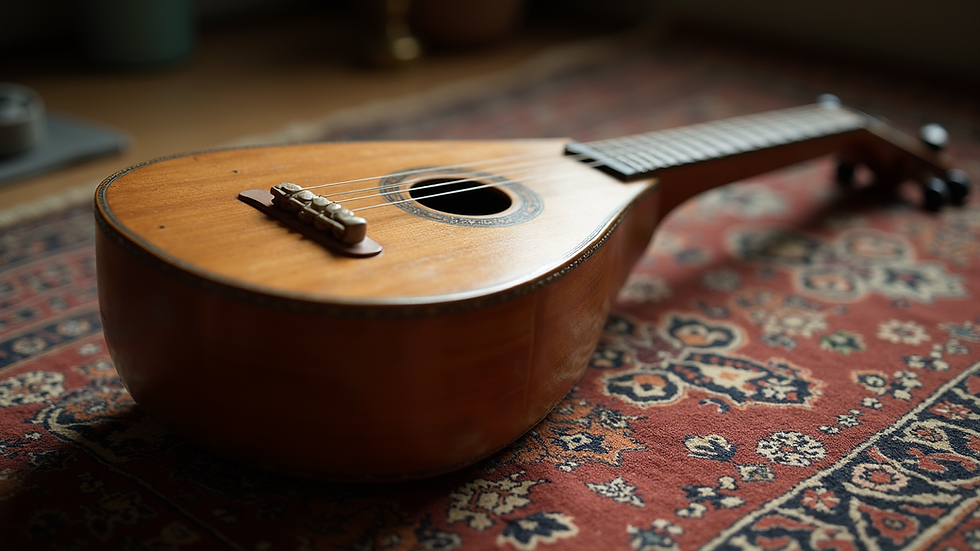
The oud, a central instrument in Palestinian musical tradition
Palestinian Cuisine: A Taste of Tradition
Food is a gateway to understanding any culture, and Palestinian cuisine offers a delicious journey. It reflects the agricultural heritage of the region, with fresh vegetables, olive oil, and aromatic spices forming the foundation.
Popular dishes include musakhan, roasted chicken with sumac and onions served on flatbread, and falafel, deep-fried chickpea balls enjoyed as street food. Meals often begin with mezze - small plates like hummus, tabbouleh, and baba ganoush - encouraging sharing and conversation.
Cooking methods are often traditional, passed down through generations. For example, baking bread in a taboon oven connects families to their ancestors. Food is not just sustenance but a celebration of life and community.
The Role of Religion and Festivals in Palestinian Life
Religion shapes many aspects of Palestinian culture, with Islam and Christianity being the predominant faiths. Religious practices influence daily routines, holidays, and social customs.
Ramadan, the Islamic month of fasting, is observed with devotion and communal spirit. Families gather to break the fast with iftar meals, often featuring dates, soups, and sweets. Eid celebrations follow, marked by prayers, feasting, and gift-giving.
Christian Palestinians celebrate Christmas and Easter with unique traditions, including special church services and festive meals. These religious events strengthen community bonds and offer moments of joy amid adversity.
Beyond formal religion, many Palestinians hold a deep spiritual connection to the land itself, viewing it as sacred and integral to their identity.
Preserving Identity Amid Challenges culture of Palestinian
The culture of Palestinian people is not static; it evolves while holding fast to its roots. Despite political and social challenges, Palestinians maintain their traditions with pride and creativity.
Education and storytelling play crucial roles in preserving cultural heritage. Schools teach history and language, while families share stories of their homeland. This transmission of knowledge empowers younger generations to carry forward their identity.
Supporting Palestinian artisans, musicians, and writers helps keep the culture vibrant. Engaging with their work offers a window into their world and fosters solidarity.
For those who wish to contribute, symbolic acts such as purchasing land through initiatives like FreePalestineland provide meaningful ways to connect and support the palestine people.
Embracing the Culture of Palestinian People
Understanding the culture of Palestinian people invites us to appreciate a community rich in history, creativity, and resilience. It encourages respect for their traditions and recognition of their ongoing struggles.
By learning about their art, music, cuisine, and social customs, we build bridges of empathy and solidarity. Each story, each song, and each shared meal becomes a thread in the larger fabric of human connection.
I encourage you to explore further, support cultural initiatives, and celebrate the enduring spirit of Palestine. In doing so, we honor not only a people but a vibrant culture that continues to inspire and endure.
Buy your own Palestine land today and join the freedom of the land and people .
Every piece of land represents more than just ownership — it’s a statement of support, connection, and belief in change.
Take part in something meaningful and make your voice count
Buy Your Land Now
Comments